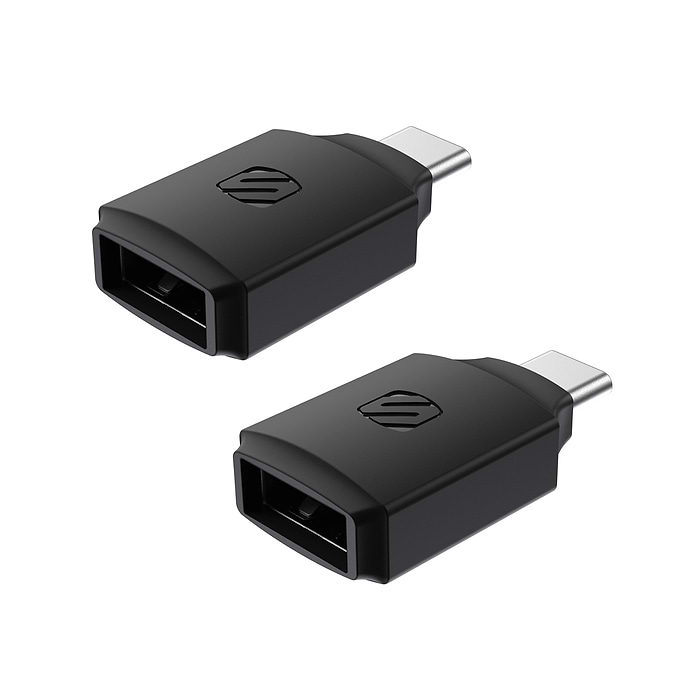
Understanding the Role of Adapters in Modern Technology
In today's rapidly advancing technological landscape, adaptors play a crucial role in ensuring compatibility between various devices and interfaces. These small yet essential components facilitate communication between hardware that may otherwise be incompatible. For instance, a USB-C to HDMI adapter allows users to connect their modern laptops to older display systems, thereby extending the functionality of both devices. This capability not only enhances user experience but also promotes the longevity and versatility of technology.
Moreover, the importance of adapters goes beyond mere connectivity. They enable the integration of multiple technologies, allowing for a seamless flow of data and power across devices. This integration is vital in sectors such as IoT (Internet of Things), where numerous smart devices must communicate efficiently. As technology evolves, the demand for innovative and reliable adapters continues to grow, making them an integral part of the modern technological ecosystem.
Counter-Strike is a popular first-person shooter game that pits teams of terrorists against counter-terrorists in a variety of objective-based scenarios. Players can choose from a wide array of weapons and tools to outsmart their opponents and achieve victory. For gamers looking to enhance their setups, exploring the Top 10 usb c accessories can significantly improve their gaming experience.
5 Common Types of Adapters and Their Uses
Adapters are essential tools that bridge the gap between different devices, making it easier to connect and use technology seamlessly. Here are five common types of adapters and their uses:
- Power Adapters: These adapters convert electrical power from one voltage to another, ensuring that devices receive the correct power supply. They are pivotal for charging laptops, smartphones, and other electronics.
- Audio/Video Adapters: Used to connect different audio or video devices, such as HDMI to VGA adapters, they are crucial for compatibility between varying technologies, enabling users to enjoy high-definition content on older displays.
- USB Adapters: This type includes USB-C to USB-A adapters, allowing users to connect newer devices to older USB ports. They are essential for data transfer and device connectivity.
- Network Adapters: Enabling wired or wireless network connections, these adapters play a critical role in connecting computers to the internet, facilitating seamless communication.
- Card Adapters: Often used for converting formats, like SD card to microSD card adapters, these are vital for compatibility between different devices and enhancing storage options.
How to Choose the Right Adapter for Your Devices
Choosing the right adapter for your devices is crucial for ensuring optimal performance and compatibility. Start by identifying the specific requirements of your devices, including the voltage and amperage needed. It's essential to look for adapters that meet or exceed these specifications to prevent any damage. Additionally, consider the following points when making your selection:
- Connector Type: Ensure the adapter has the correct connector shape and size for your device.
- Brand Compatibility: Some brands have proprietary technology, so using the recommended adapter is often the best choice.
- Safety Features: Opt for adapters with built-in protection against overcharging or overheating.
Another important factor is the adapter's voltage output and input. Always check the manufacturer's guidelines for the device specifications. If you're using multiple devices, it may be convenient to invest in a universal adapter, which can be used interchangeably across different devices. However, ensure that it supports the necessary voltage levels to avoid damaging your devices. Remember, choosing the right adapter not only enhances performance but also extends the lifespan of your devices, making it a worthy investment.