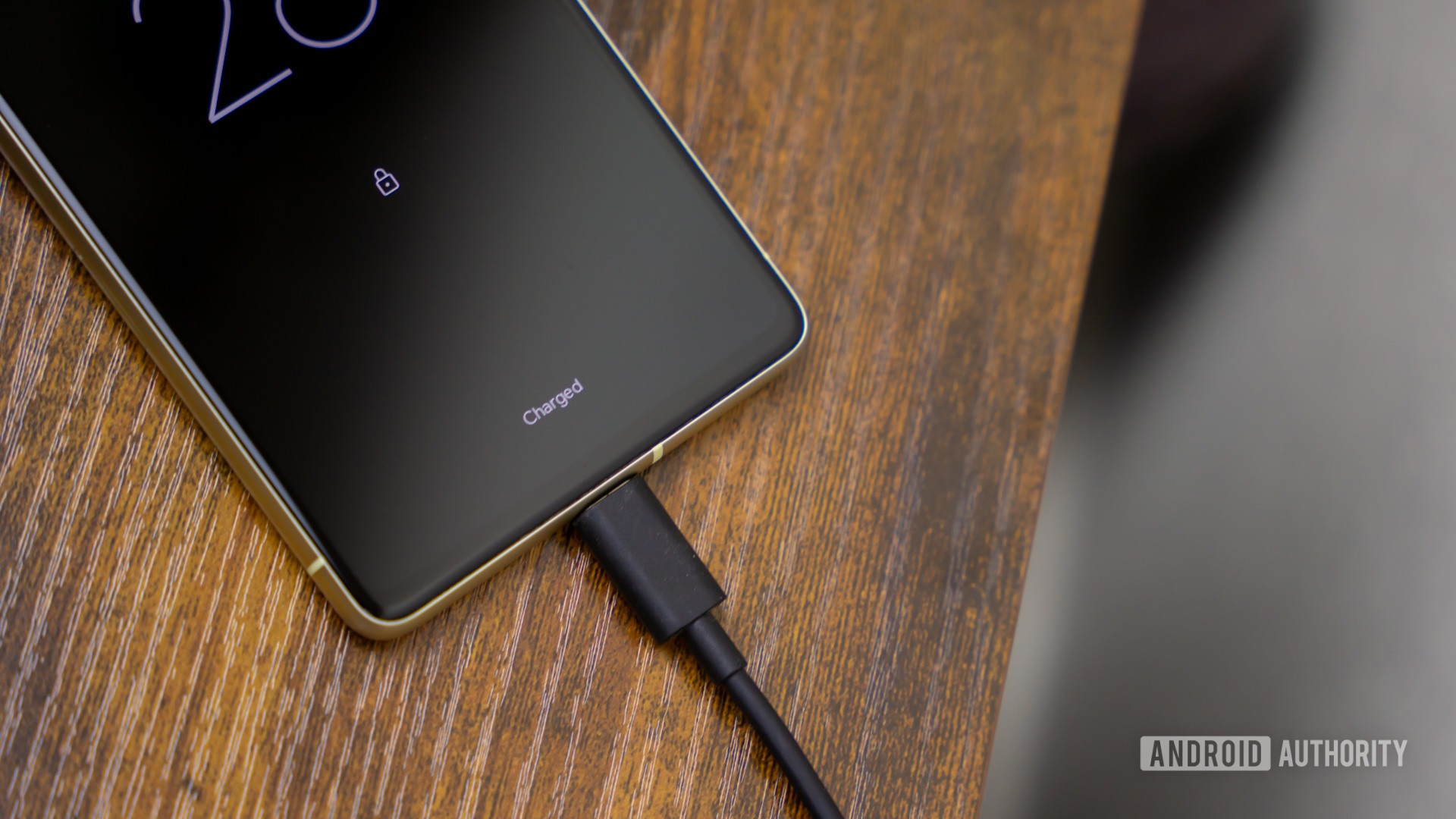
How Do Lithium-Ion Batteries Work? A Deep Dive into Your Device's Heart
Lithium-ion batteries are rechargeable power sources that drive much of the modern world, from smartphones to electric vehicles. At the heart of these batteries is a simple, yet complex, electrochemical process. Lithium ions move from the anode (negative electrode) to the cathode (positive electrode) during discharge, generating electric current that powers your devices. When charging occurs, the process reverses, allowing lithium ions to travel back to the anode. This cycle of charging and discharging is both efficient and highly effective, enabling devices to operate for extended periods without significant loss of performance.
Understanding how lithium-ion batteries function can reveal insights into their advantages and limitations. One key characteristic is their high energy density, which is the amount of energy stored per unit of weight. This feature makes them ideal for portable electronics. However, lithium-ion batteries also require careful management to maximize longevity and safety. For instance, maintaining proper temperature and avoiding deep discharges can help prolong their lifespan. As technology advances, ongoing research continues to enhance battery performance, aiming for even more sustainable and efficient solutions for future energy needs.
Counter-Strike is a popular multiplayer first-person shooter game that emphasizes teamwork and strategy. Players can choose to play as terrorists or counter-terrorists, completing various objectives such as bomb defusal or hostage rescue. For those interested in improving their gaming experience, check out the Top 10 Tech Essentials that can enhance your setup and performance.
The Unseen Forces: What Really Happens When You Plug In
When you plug in your devices, numerous unseen forces come into play, working together to convert electrical energy into a usable format for your gadgets. This process begins at the power plant, where electrical energy is generated through various means, including fossil fuels, nuclear power, and renewable sources such as wind and solar. As this energy travels through power lines, it undergoes transformations, losing some energy to resistance and heat along the way. Once it reaches your home, it enters your electrical panel, which then distributes it to different circuits and ultimately to various outlets, ready for you to use when you plug in.
However, the act of plugging in is not as simple as it may seem. Behind the scenes, your devices are equipped with complex systems that regulate voltage and current to ensure safe operation. For example, when you plug in a smartphone charger, an internal circuit in the charger recognizes the device's requirements and adjusts the output accordingly. This interplay of electronics keeps your devices from overheating or malfunctioning, demonstrating how critical these unseen forces are in our daily lives. Understanding these processes can lead to better energy efficiency and prolong the lifespan of your devices, making awareness of what really happens when you plug in essential for any tech-savvy individual.
Charging Myths Debunked: What You Need to Know to Keep Your Devices Alive
When it comes to charging your devices, many common myths can lead to confusion and potentially harm your battery life. One of the most prevalent myths is that you need to let your device's battery drain completely before recharging. In reality, modern lithium-ion batteries do not require full discharges; in fact, letting them drop to 0% can shorten their lifespan. Instead, it is recommended to charge your devices when they reach around 20% to 30%, which helps maintain their health over time.
Another major misconception is that using your device while it charges can cause overheating and damage. While it's true that multitasking can generate heat, most devices are designed to manage temperature effectively during charging. However, to keep your device in good condition, it’s best to avoid engaging in intensive tasks, like gaming or 4K video streaming, while charging. This not only allows for a quicker charge but also protects the internal components of your device from potential heat damage.