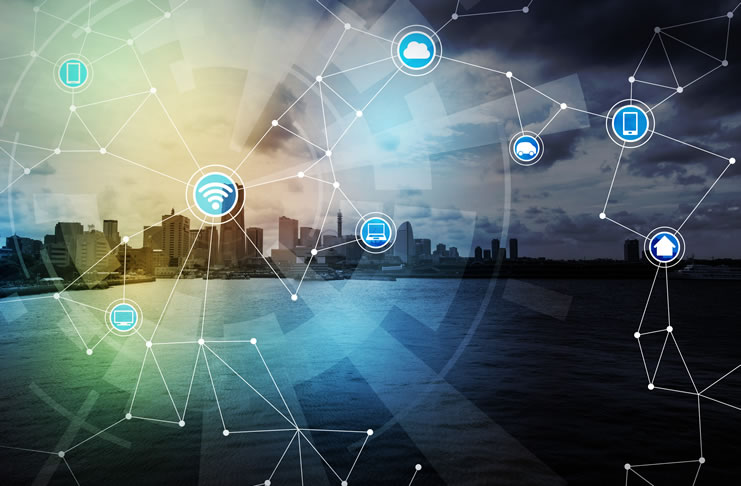
How Connectivity Transformed Our Daily Lives: Exploring the Unseen Impact
Connectivity has revolutionized our daily lives in ways that were once unimaginable. From the moment we wake up to the time we go to bed, we are surrounded by an intricate web of technologies that keep us linked to one another and the world at large. Whether it's checking emails, browsing social media, or making video calls to loved ones across the globe, the unseen impact of connectivity is profound. As we navigate our daily routines, it's easy to overlook how this constant connection influences our access to information, educational opportunities, and even career paths, reshaping our interactions and experiences.
Moreover, the effects of connectivity extend beyond just personal communication; they touch every aspect of our lives. For instance, smart home devices enable us to manage our environments more efficiently, while online platforms foster collaboration and community engagement. As highlighted by recent studies, the rise of e-commerce has transformed shopping habits, allowing consumers to access a broader range of products at competitive prices. In essence, the transformative power of connectivity is not merely about staying in touch; it’s about creating a more interconnected and informed society that continuously adapts to the fast-paced changes of the digital age.
Counter-Strike is a highly popular first-person shooter game that has captivated millions of players worldwide. Known for its tactical gameplay and team-based strategies, it has evolved through various versions since its initial release in 1999. Many players enjoy customizing their gaming experience, and if you're looking for some gadgets to enhance your play, check out the Top 10 iphone 16e accessories that can improve your mobile gaming setup.
The Role of Connectivity in Mental Health: Are We More Connected Than Ever?
The role of connectivity in mental health has become increasingly pivotal in an age where digital communication is prevalent. Social media platforms, instant messaging, and online forums enable individuals to share experiences, seek support, and connect with like-minded individuals across the globe. Yet, while these advancements suggest we are more connected than ever, they also raise important questions about the quality of these connections. Are we forming genuine relationships, or are we merely accumulating online acquaintances?
Moreover, the impact of connectivity on mental health varies widely among individuals. For some, the ability to communicate instantly can alleviate feelings of isolation and depression, providing an essential support network. However, for others, constant connectivity can lead to increased anxiety and stress levels due to information overload and the pressure to remain perpetually engaged. Thus, it becomes crucial to evaluate how connectivity influences our mental well-being, striking a balance between virtual and real-life interactions.
Connectivity and Community Building: Can Technology Bring Us Closer?
In today's fast-paced world, connectivity plays a crucial role in how we interact and build relationships. The advent of technology has drastically transformed our communication methods, enabling us to connect with individuals across the globe in mere seconds. However, the question remains: can technology truly bring us closer? By leveraging social media platforms, video calls, and instant messaging, we can maintain our friendships and family relationships regardless of geographical distances. Furthermore, technology fosters communities that might not have otherwise formed, bringing together people with similar interests through online forums, gaming, and virtual events.
Despite the numerous benefits of digital connectivity, it is essential to recognize the potential downsides. Overreliance on technology can lead to a sense of isolation, where in-person interactions are replaced by virtual ones. To maximize the advantages of technology in community building, we must prioritize striking a balance. Engaging in face-to-face gatherings, while still utilizing online tools to coordinate and plan, can lead to healthier and more meaningful connections. By harnessing technology wisely, we can foster genuine relationships and cultivate thriving communities, ultimately bridging the gap that physical distance creates.