The Most Common Ergonomic Mistakes: Is Your Chair the Culprit?
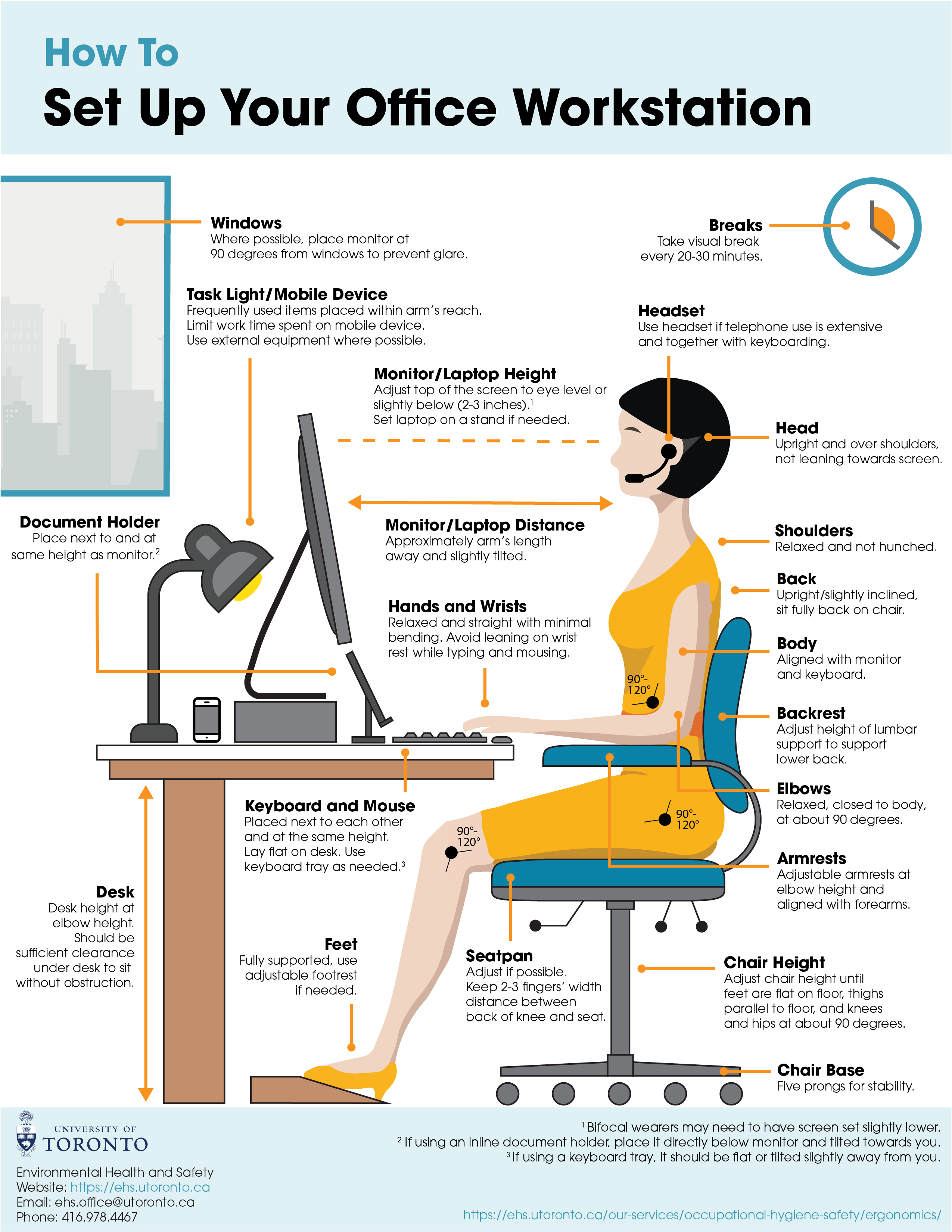
When it comes to workplace comfort, your chair plays a crucial role in maintaining good posture and preventing discomfort. Ergonomic mistakes often stem from using chairs that do not offer adequate support or are improperly adjusted. For instance, if your chair is too high, it can strain your neck while looking at your computer screen. Conversely, a chair that is too low may lead to poor posture and back pain. It's essential to ensure that your feet rest flat on the ground and that your knees are at a 90-degree angle to enhance your ergonomics and prevent long-term injury.
Another common error is neglecting proper lumbar support in your chair. Many people forget that the lower back needs support to maintain the natural curve of the spine. If your chair lacks lumbar support, consider using a cushion or purchasing an ergonomic chair designed with adjustable features. Remember, an ergonomic chair is not just a luxury—it's a necessity for anyone spending long hours seated. Addressing these ergonomic mistakes now can save you from chronic pain and enhance your overall productivity.
Counter-Strike is a popular first-person shooter game that emphasizes teamwork and strategy. Players can choose to play as terrorists or counter-terrorists, engaging in various objective-based missions. To enhance your gaming experience and prevent hardware issues, check out our Top 10 Laptop Accessories to Prevent Overheating that offer essential support for long gaming sessions.
5 Signs Your Chair is Sabotaging Your Productivity
In today's fast-paced work environment, your choice of chair can significantly impact your productivity. Here are 5 signs your chair is sabotaging your productivity:
- Discomfort: If you find yourself frequently shifting in your seat or experiencing back pain, it may be an indication that your chair lacks adequate support.
- Poor Posture: A chair that promotes slouching or hunching can hinder your concentration and lead to long-term health issues.
- Frequent Adjustments: If you're constantly adjusting your chair to find a comfortable position, it could be a sign that it's not the right fit for your body.
- Lack of Mobility: A chair that restricts your movement can create a cramped work environment, making it harder to focus on tasks.
- Distractions: Noisy or unstable chairs can draw your attention away from your work, leading to decreased productivity.
Is Your Workspace Working Against You? Discover the Truth Behind Ergonomic Design
In today’s fast-paced work environment, the importance of ergonomic design cannot be overstated. If your workspace is poorly designed, it may contribute to various health issues, such as chronic back pain, repetitive strain injuries, and decreased productivity. Is your workspace working against you? It’s time to assess your environment and make necessary changes that can enhance your comfort and focus. Investing in an ergonomic chair, adjustable desk, or even proper lighting can lead to significant improvements in your overall well-being and efficiency.
Understanding the principles of ergonomic design can also transform how you approach your daily tasks. Consider implementing these key adjustments to maximize your workspace:
- Chair Height: Ensure your chair is adjusted so that your feet rest flat on the ground with knees at a 90-degree angle.
- Monitor Position: Your computer screen should be at eye level to reduce neck strain.
- Keyboard Placement: Keep your keyboard close enough that your elbows remain at your sides.
By making these adjustments, you can create a workspace that supports your health and productivity instead of hindering it.