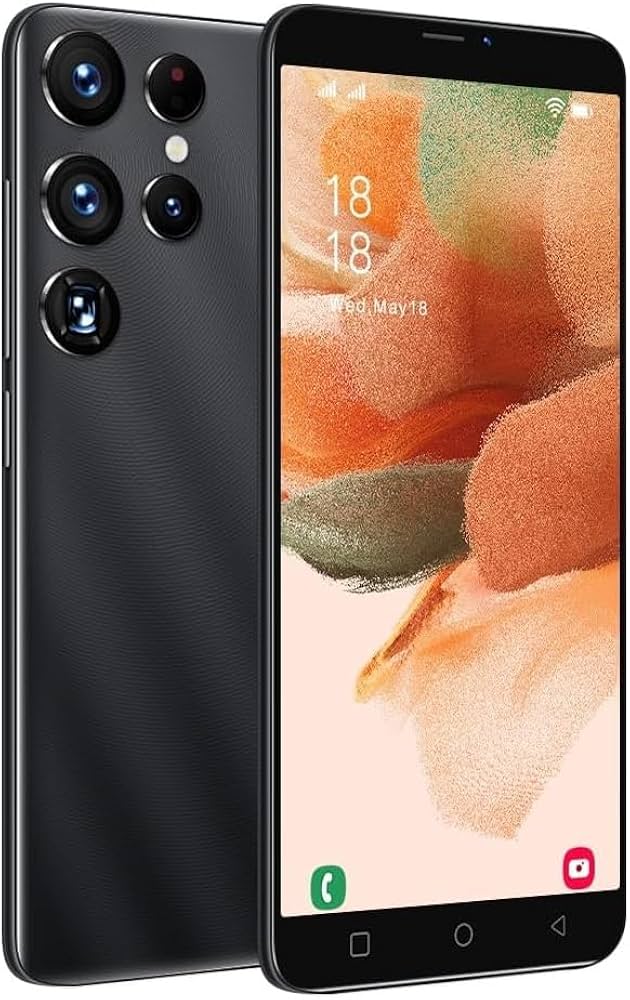
The Evolution of Pocket Technology: From Early Mobile Phones to Smart Devices
The evolution of pocket technology has dramatically transformed the way we communicate and interact with the world around us. From the early days of mobile phones, which were bulky and limited in functionality, to today's sleek smart devices that fit comfortably in our hands, the journey has been nothing short of remarkable. Early mobile phones, like the Motorola DynaTAC 8000X, revolutionized telecommunication in the 1980s, allowing users to make calls without being tethered to a landline. As technology advanced, features such as texting, internet connectivity, and multimedia capabilities began to emerge, paving the way for a new era of communication.
Today, smart devices have evolved into powerful mini-computers, integrating various functionalities that extend far beyond simple communication. With the advent of smartphones, users can access information, play games, manage finances, and stay connected on social media, all from the convenience of their pockets. This shift towards multifunctionality has shifted our dependence on traditional devices such as cameras, calculators, and GPS units, consolidating them into a single handheld device. As we look ahead, it is clear that pocket technology will continue to evolve, adapting to meet the ever-changing needs and lifestyles of consumers around the globe.
Counter-Strike is a popular first-person shooter game that originated as a mod for Half-Life and has since evolved into a standalone series with a massive player base. The gameplay typically involves two teams, terrorists and counter-terrorists, competing to complete objectives such as bomb defusal or hostage rescue. For those looking to enhance their gaming setup, check out the Top 10 iPhone Ring Holder Stands to keep your devices secure during intense gaming sessions.
5 Innovations in Mobile Technology That Will Change Your Life
Mobile technology has seen rapid advancements over the past few years, and these innovations are poised to transform our daily lives significantly. One of the most groundbreaking developments is 5G connectivity, which offers ultra-fast internet speeds and lower latency. This improvement will not only enhance streaming and gaming experiences but will also enable new applications such as augmented reality (AR) and virtual reality (VR) that require seamless real-time interaction.
Another innovation set to revolutionize mobile technology is the integration of artificial intelligence (AI) in smartphones. AI algorithms can improve user experience by personalizing content, optimizing battery life, and even enhancing photography through better image processing. As devices become smarter and more intuitive, they will adapt to individual preferences, making our interactions more efficient and enjoyable.
How Will 5G and Beyond Transform Our Mobile Experience?
The advent of 5G technology is set to revolutionize the way we interact with mobile devices, making our experience faster, more reliable, and richer than ever before. With data transfer speeds that can exceed 10 Gbps, users can expect to download movies in seconds and stream ultra-high-definition content without buffering. Additionally, 5G networks will reduce latency significantly, which will greatly enhance the performance of applications that rely on real-time data, such as gaming and virtual reality. This leap in technology doesn't just improve existing services, but it also paves the way for innovative applications that leverage high-speed connectivity and extensive bandwidth.
Looking beyond 5G, the future of mobile technology promises even greater advancements. As we move towards 6G and beyond, we can anticipate further integration of Artificial Intelligence and the Internet of Things (IoT) into our mobile experience. With the capability to connect an unprecedented number of devices seamlessly, the future will usher in smart cities, enhanced communication platforms, and personalized services that adapt to user preferences. According to experts, future mobile networks will also focus on sustainability, providing greener solutions to cater to the growing demand for connectivity while lessening environmental impact.