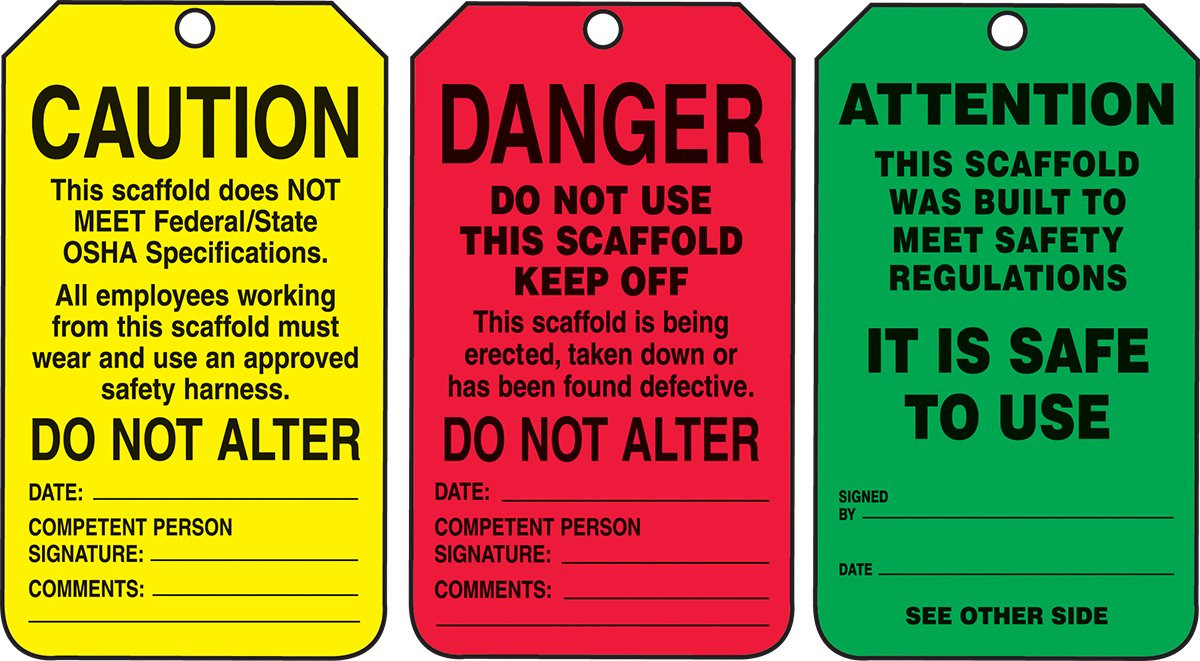
The Importance of Safety Tags: Understanding Their Role in Workplace Safety
In any workplace, safety tags play a critical role in ensuring the well-being of employees. These tags serve as visual indicators that communicate important safety information about equipment, hazardous areas, or specific procedures. By properly utilizing safety tags, employers can significantly reduce the risk of accidents and injuries. For example, color-coded labels can indicate whether machinery is safe to operate or requires maintenance, helping employees make informed decisions about their tasks. Understanding the specific functions of safety tags is essential for fostering a culture of safety within the workplace.
Moreover, the use of safety tags enhances compliance with regulatory standards, which are designed to protect workers from potential hazards. Employers are obligated to provide a safe working environment, and failure to implement effective safety measures can lead to severe legal and financial repercussions. Incorporating safety tags into the workplace safety strategy not only improves communication regarding safety protocols but also reinforces the importance of safety ownership among employees. With a clear understanding of the role that safety tags play, organizations can create a safer, more efficient work environment for everyone.
Counter-Strike is a highly popular first-person shooter game that focuses on team-based gameplay. Players can choose to be part of either the terrorist or counter-terrorist team, engaging in various objective-driven modes. The competitive nature of the game has led to the formation of professional esports leagues, attracting players from around the world. If you're looking for gear to enhance your performance while running, check out the Top 10 Apple Watch Accessories for Runners.
How Safety Labels Improve Compliance and Reduce Accidents
Safety labels play a crucial role in ensuring compliance with safety regulations and reducing workplace accidents. By clearly communicating potential hazards and the necessary precautions, these labels serve as constant reminders for employees to follow safety procedures. Studies have shown that environments with well-placed safety labels experience a significant decrease in incidents, highlighting their importance in maintaining a safe workplace. For example, labeling hazardous areas with clear graphics and concise text can decrease confusion and misinterpretation, ultimately fostering a culture of safety.
Moreover, effective safety labels not only inform employees but also enhance overall organizational compliance with legal safety requirements. Many industries are subject to stringent safety standards set by regulatory bodies, and by implementing compliance-focused safety labels, organizations can demonstrate their commitment to adhering to these regulations. Regular audits and inspections often evaluate the presence and quality of such labels, which can significantly influence a company’s safety record and reputation. In summary, safety labels are not just informative; they are essential tools for promoting a safer work environment and ensuring that compliance measures are met.
What Do Safety Tags Really Mean? Decoding Common Symbols and Warnings
Safety tags play a vital role in maintaining a secure environment, whether in workplaces, public spaces, or even at home. These tags often feature symbols and warnings that convey important information about potential hazards, required safety precautions, or the correct usage of equipment. Understanding what these symbols represent is essential for ensuring personal safety and preventing accidents. For example, a biohazard symbol indicates the presence of infectious materials, while a warning triangle typically signifies a general hazard that requires caution.
Common safety symbols include the flammable material symbol, which informs individuals of the presence of highly combustible substances, and the electrical hazard symbol, cautioning against the risks associated with electricity. OSHA (Occupational Safety and Health Administration) provides guidelines on the usage of these symbols to maintain consistency across various industries. By familiarizing yourself with these meanings, you can better navigate environments that may pose risks and contribute to a culture of safety and awareness.