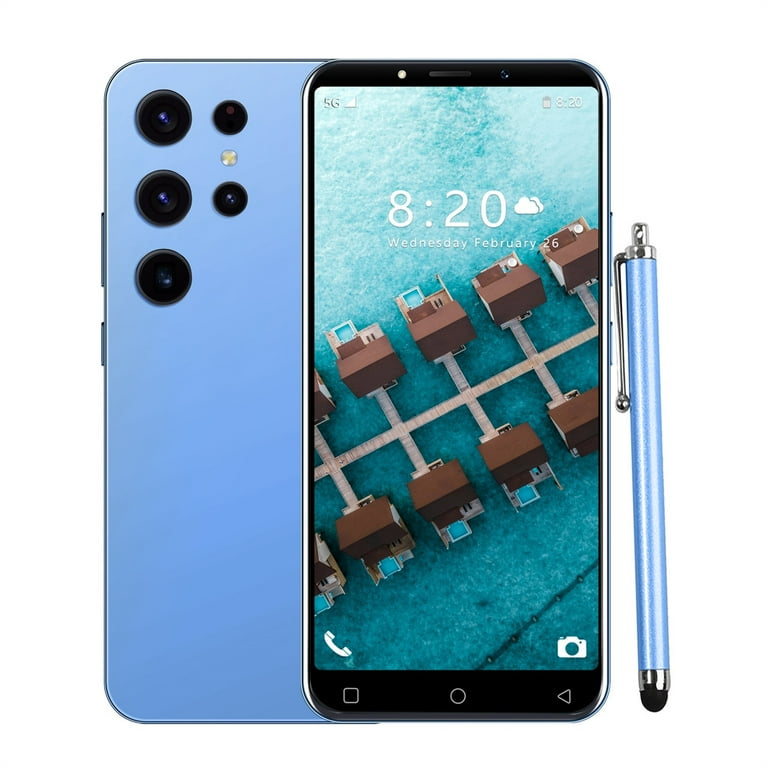
How Smartphones are Reshaping Our Daily Interactions
The advent of smartphones has revolutionized the way we connect with one another, fundamentally reshaping our daily interactions. In just over a decade, these powerful devices have transformed our communication methods, replacing face-to-face conversations with instant messaging and social media platforms. With the ability to communicate at any time, anywhere, we are increasingly reliant on technology to maintain relationships. This shift not only influences how we communicate but also impacts the quality of our interactions, as people often prioritize virtual connections over in-person ones.
Moreover, the integration of smartphones into our lives has led to the emergence of new norms and etiquettes. For example, it is now common to see individuals engrossed in their devices during social gatherings, leading to what some refer to as the 'phubbing' phenomenon, where one person ignores their company to focus on their phone. This behavior can undermine the quality of interpersonal interactions and create feelings of neglect or frustration among peers. As we navigate this evolving landscape, it becomes increasingly important to reflect on how our smartphone usage affects our relationships and to strive for a balance that enhances our connections rather than detracts from them.
Counter-Strike is a highly popular first-person shooter game that pits teams of terrorists against counter-terrorists in various objective-based game modes. Players engage in tactical gameplay, using teamwork and strategy to outmaneuver their opponents. If you're looking to protect your iPhone, check out the Top 10 iphone 16e cases for some great options!
The Hidden Benefits of Smartphones in Crisis Management
Smartphones play a crucial role in crisis management, offering a multitude of hidden benefits that can enhance response efforts during emergencies. One of the most significant advantages is the ability to instantly communicate with teams and individuals, regardless of their location. With features like real-time messaging, voice calls, and video conferencing, organizations can coordinate their response strategies quickly and effectively. Furthermore, smartphones enable the use of various apps designed for crisis response, providing access to essential tools such as mapping services, emergency alerts, and even first aid information at the touch of a button.
In addition to enhanced communication, smartphones serve as powerful data collection and analysis tools during a crisis. They allow users to document and report critical information through photographs, videos, and social media updates, which can be vital for assessing the situation on the ground. This data can improve decision-making and support situational awareness, ultimately leading to more effective crisis management outcomes. Moreover, the integration of smartphones with cloud services ensures that this information is stored securely and can be accessed by relevant parties, facilitating collaboration and resource allocation in a more efficient manner.
Are We Too Dependent on Our Smartphones?
The question of whether we are too dependent on our smartphones is a topic of ongoing debate. As smartphones have become an integral part of our daily lives, they offer unparalleled convenience and connectivity. From instant access to information and social media to navigation and online shopping, these devices have transformed how we operate. However, this reliance has raised concerns about our ability to function without them. Are we sacrificing our attention spans, face-to-face interactions, and even critical thinking skills in favor of the instant gratification that smartphones provide?
Moreover, studies suggest that excessive smartphone use can lead to various psychological issues, including anxiety and depression. Many individuals find themselves compulsively checking their phones for notifications or updates, which can disrupt productivity and negatively impact mental health. Understanding the balance between utilizing technology and maintaining our independence is crucial. It is essential to set boundaries on smartphone use and engage in activities that foster real-world connections and cognitive skills, ultimately leading to a healthier relationship with our devices.