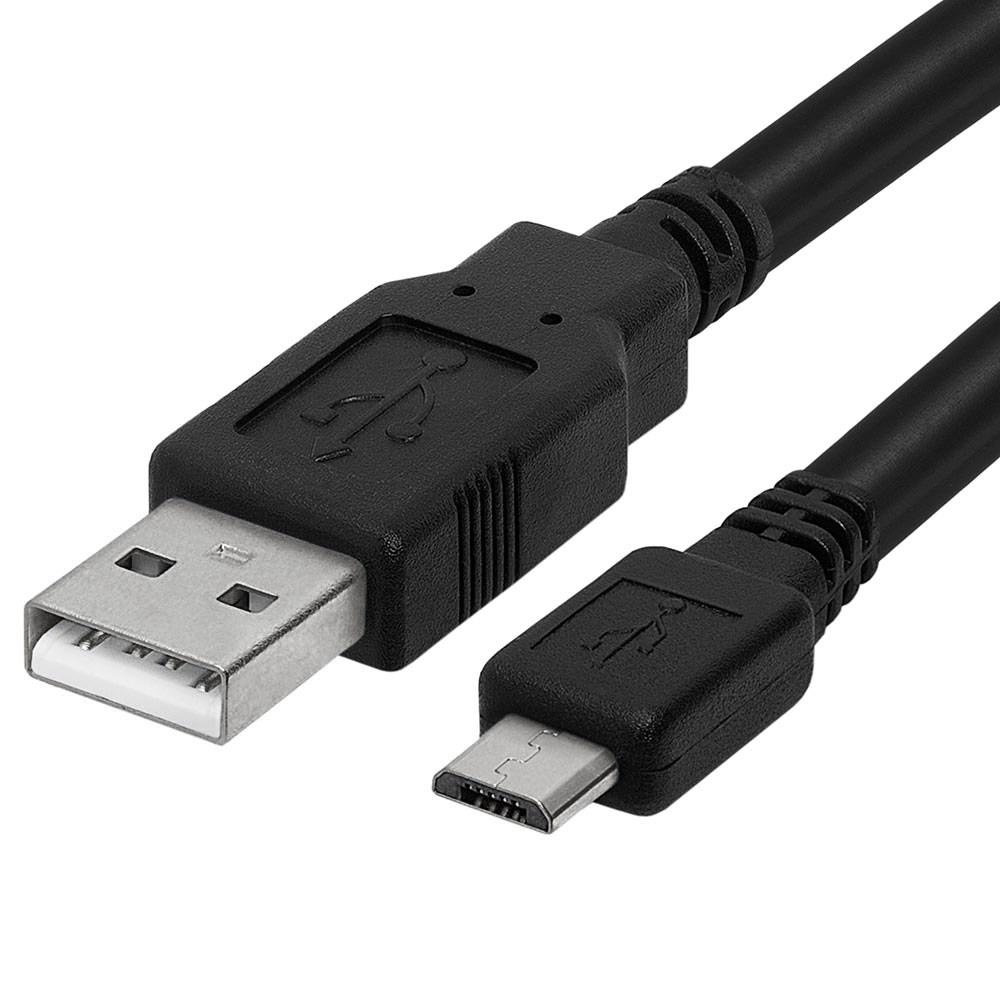
The Ultimate Guide to USB Chargers: Choosing the Right One for Your Devices
When it comes to powering your devices, choosing the right USB charger is essential for efficiency and safety. With a myriad of options available on the market, it can be overwhelming to determine which charger best suits your needs. Consider the following factors:
- Compatibility: Ensure that the charger is compatible with your device's specifications, as some devices may require specific voltage or amperage.
- Charging Speed: Look for chargers that support fast charging technologies (e.g., Quick Charge, Power Delivery) if you want to minimize downtime.
- Portability: If you're frequently on the go, a compact and lightweight charger may be a priority.
Additionally, safety features should not be overlooked when selecting a USB charger. Many quality chargers come equipped with overcurrent protection, short-circuit protection, and temperature control to ensure the safety of both the charger and your devices. Always opt for chargers from reputable brands to avoid the risks associated with cheap imitations. A good practice is to read customer reviews and ratings to gauge performance. With the right knowledge, you can choose a charger that not only meets your device's requirements but also enhances your overall charging experience.
Counter-Strike is a popular first-person shooter game that emphasizes teamwork and strategy. Players choose to play as either terrorists or counter-terrorists, working together to complete objectives or eliminate the opposing team. For gamers on the go, having the right gear is essential, including a reliable power source. Check out these Top 10 Compact Travel Chargers to keep your devices charged while you play.
How USB Chargers Keep You Powered: Understanding the Technology Behind Them
USB chargers are an essential component in our daily lives, providing a convenient way to power a wide range of devices, from smartphones to laptops. At their core, these chargers work by converting alternating current (AC) from a wall outlet into direct current (DC) that devices can use. The speed at which a USB charger can transfer power is measured in watts, with faster chargers typically offering higher wattage. For instance, basic USB chargers may provide up to 5 watts, while more advanced models, like those using USB-C Power Delivery, can supply up to 100 watts, enabling them to charge larger devices such as laptops in addition to phones.
Understanding the technology behind USB chargers also involves recognizing the different USB standards and connectors. The most common formats include USB Type-A, USB Type-B, and USB-C. USB-C, in particular, has gained popularity due to its reversible design and ability to deliver significantly higher power levels. Furthermore, many modern devices support fast charging technologies that allow them to charge much quicker than traditional methods. Factors such as the cable quality, the device's compatibility with charging standards, and the charger itself all play a crucial role in ensuring that users experience optimal charging performances.
USB Chargers vs. Wireless Chargers: Which is Best for Your Daily Tech Life?
When it comes to powering up your devices, the debate between USB chargers and wireless chargers continues to grow. Both options have their unique advantages that cater to different user preferences. USB chargers, typically more efficient, come in various forms and can provide rapid charging capabilities, especially with the latest USB-C technology. They are perfect for those who need a quick power boost and often come equipped with multiple ports, making it easy to charge several devices simultaneously.
On the other hand, wireless chargers offer convenience and a clutter-free experience. Simply place your device on the charging pad, and you're good to go—no more tangled cords or fumbling for the right cable. While they may charge a bit slower than their USB counterparts, the ease of use is hard to deny. Ultimately, the choice between USB chargers and wireless chargers boils down to your lifestyle. If speed and compatibility are your priorities, USB might be your best bet. However, if you value convenience and a streamlined setup, a wireless charger can seamlessly fit into your daily tech life.