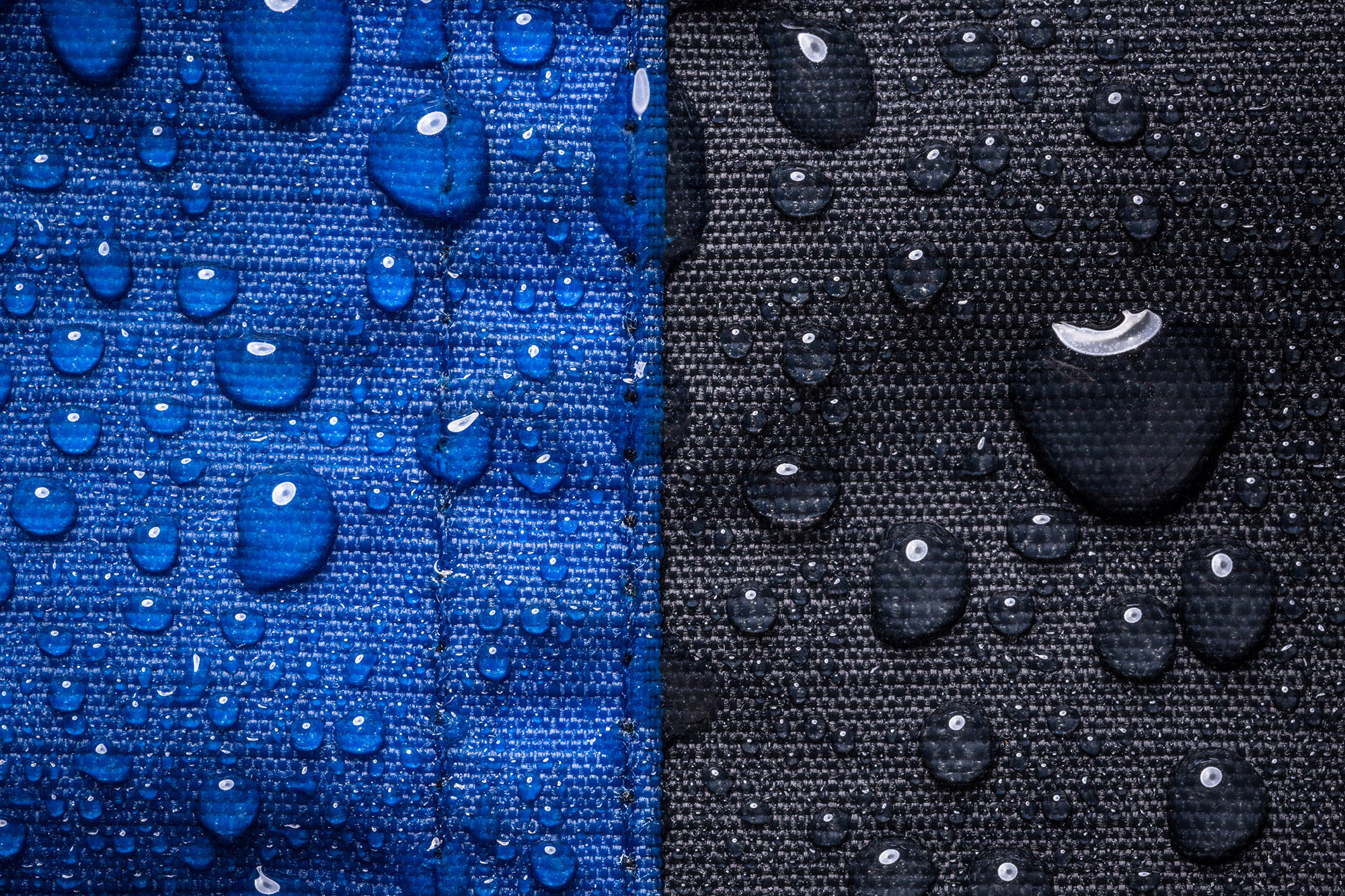
Top 10 Waterproof Materials You Need to Know About
When it comes to selecting materials for projects, whether in construction, fashion, or outdoor gear, understanding waterproof materials is essential. Here are the Top 10 Waterproof Materials you need to know about:
- Gore-Tex - This ePTFE membrane is renowned for its excellent waterproof and breathable qualities, making it ideal for outdoor apparel.
- PVC (Polyvinyl Chloride) - A versatile synthetic plastic, PVC is widely used in construction for roofing and piping due to its durability and water resistance.
- Nylon - When coated with a waterproof finish, nylon becomes an excellent choice for outdoor gear like tents and jackets.
- Neoprene - Commonly used in wetsuits, neoprene is a synthetic rubber that provides both insulation and waterproofing.
- Polyurethane - Often found in waterproof fabrics, this material is flexible and resistant to water and abrasion.
Continuing with our list, we find other noteworthy materials:
- Silicone - This versatile material is used in everything from sealants to clothing, thanks to its waterproof and heat-resistant properties.
- Waxed Canvas - Durable and stylish, waxed canvas is treated with wax to repel water and is often used in bags and outdoor gear.
- Tyvek - A high-density polyethylene fiber, Tyvek is lightweight and provides excellent waterproofing for construction and packaging applications.
- Fiberglass - Strong and waterproof, fiberglass is commonly used in boat construction and roofing.
- Acrylic - This plastic is used in various applications, including waterproof coatings for fabrics and surfaces.
Counter-Strike is a popular tactical first-person shooter game that pits teams of terrorists against counter-terrorists in various game modes. Players must work together to complete objectives, such as planting or defusing bombs, while utilizing strategy and skill. For those looking to protect their devices while gaming, check out the Top 10 iphone rugged cases to ensure your iPhone stays safe during intense matches.
How to Choose the Right Waterproof Gear for Every Adventure
Choosing the right waterproof gear is crucial for maximizing your comfort and safety in any adventure. Whether you’re planning a hiking trip through the rain-soaked mountains or a day of kayaking on choppy waters, the right gear can make all the difference. Start by evaluating the conditions you’ll face: consider factors such as temperature, terrain, and the expected intensity of rain. For a day hike, a lightweight, breathable waterproof jacket may suffice, while multi-day expeditions might require more robust options, like waterproof pants and durable footwear to keep you dry.
Next, consider the various materials available for waterproof gear. Options like GORE-TEX and eVent offer excellent breathability while repelling water, making them popular among outdoor enthusiasts. Always check for features such as sealed seams and adjustable hoods, as these can enhance your overall protection. To help streamline your selection process, here’s a quick checklist:
- Evaluate your activity and weather conditions.
- Research materials and breathability ratings.
- Look for additional features like pockets and ventilation.
- Read reviews and user experiences for practical insights.
Can Waterproofing Really Protect You? Debunking Common Myths
Waterproofing is often perceived as a magical solution that can completely eliminate the risk of water damage, but this is one of the most prevalent myths surrounding the topic. While waterproofing can significantly reduce the chances of moisture infiltration, it's essential to understand that no method is entirely foolproof. Many people believe that once a surface is treated with waterproofing substances, they can disregard maintenance or inspection entirely. In reality, waterproofing requires periodic evaluation and upkeep to ensure the longevity of its effectiveness.
Another common misconception is that waterproofing only applies to new structures. However, waterproofing can be beneficial for both old and new buildings alike. Older structures often have deteriorating materials that can be susceptible to leaks and moisture retention, making them prime candidates for waterproofing treatments. By dispelling these myths, homeowners can make more informed decisions about protecting their properties. Implementing proper waterproofing measures is essential for preventing costly repairs and ensuring the integrity of your home over time.